<- Portfolio

Jumping Spider Enclosure

A researched design plan for a monitored jumping spider habitat with controlled lighting, passive ventilation, humidity sensing, safe access, and electronics designed around the animal's needs.

Intro

This project began from a personal interest in keeping a jumping spider, but the design goal became broader than “make an enclosure.” It is a plan for a small living habitat where the animal, the plants, the air, the water, and the electronics all have to coexist.

The result so far is a researched design plan, not a built system. The main blocker is cost and the amount of precision hardware needed for a first build.

Purpose

The design asks how monitoring and controls can support a living environment without turning the habitat into a gadget for its own sake. The enclosure should help plants grow, keep humidity in a useful range, provide safe ventilation, and match the light cycles a jumping spider would expect.

Engineering judgment here means designing around the living thing first.

Design concept

The current plan includes:

  • Acrylic enclosure, roughly 6 in x 6 in x 9 in
  • Forward-facing access door
  • Magnetic or hinged front access so the top does not need to be disturbed
  • Passive ventilation through low and high openings
  • 80 x 80 stainless mesh for vents
  • Low-noise fan fallback if humidity or airflow is poor
  • Controlled lighting and light bars for plant health and day/night cycles
  • Humidity and temperature sensing
  • Passive drainage layer with a removable inspection path for excess water
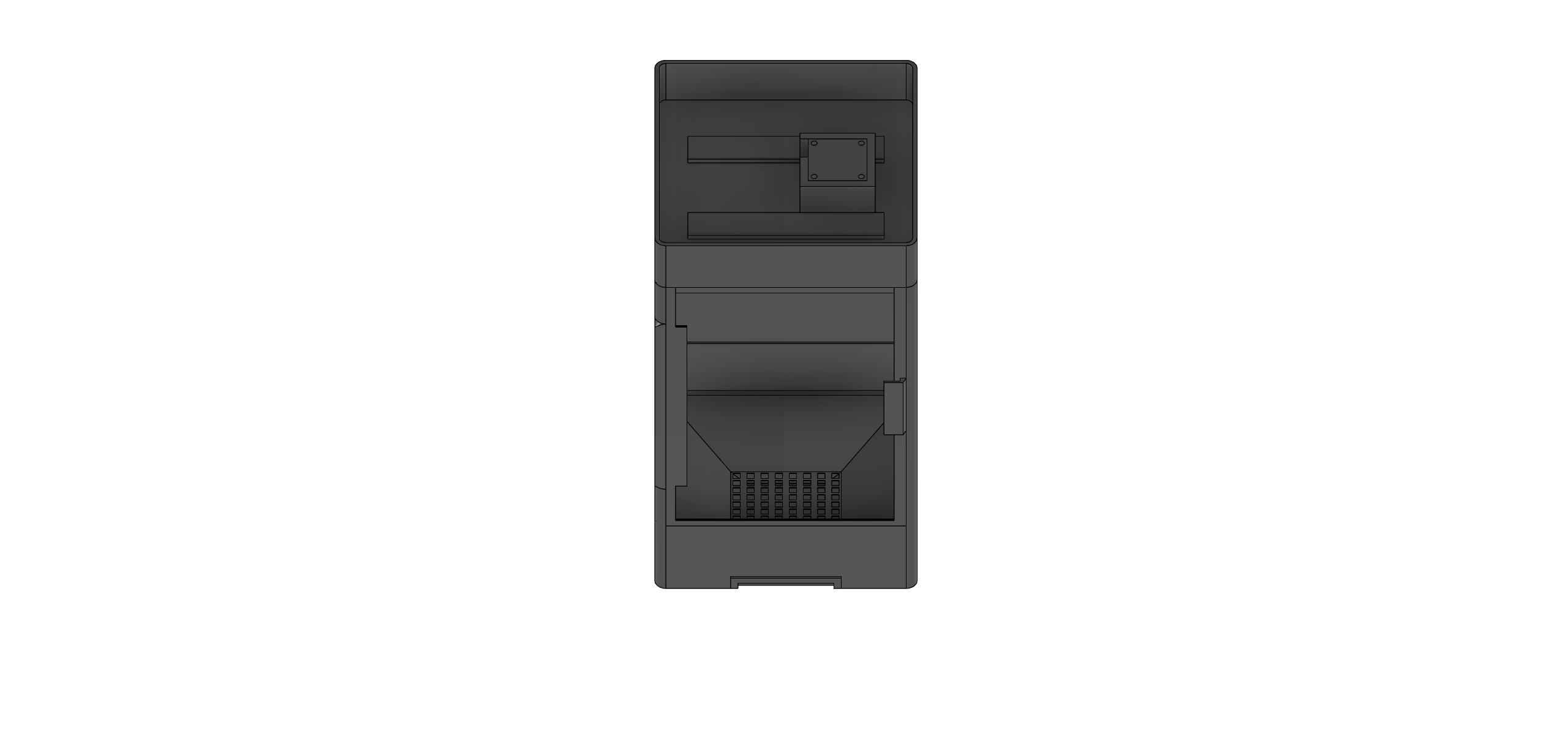
  • Electronics in the top assembly
  • Secondary cap for electronics access without opening the habitat
  • Possible ESP32-based logging and alerts

The top is intentionally not the primary access point because jumping spiders often build near the upper part of an enclosure.

Design decisions

DecisionSelected directionWhy it fits the habitatTradeoff / next step
AccessFront doorReduces disturbance to upper web hammocks during feeding and maintenanceDoor sealing and escape control matter more
VentilationPassive lower intake plus top exhaust pathKeeps airflow simple before adding active controlFan remains a fallback, not the first control loop
Mesh80 x 80 stainless steelBetter containment for small feeders and springtails while staying durableNeeds enough total vent area to avoid stale air
DrainageLECA/pebble layer, mesh barrier, removable reservoirCreates damp zones without turning the habitat into a swampMust be inspectable and easy to clean
ElectronicsDry isolated top moduleKeeps wiring, controller, and lighting away from the living chamberAdds mechanical complexity to the top assembly

Current status

Researched design plan and CAD model. Not fabricated or tested. The design is detailed enough to show the intended living system, but the build cost made it a project to hold rather than force.

Future work

  • Reduce bill of materials cost
  • Decide which controls should be automated and which should remain manual
  • Build a minimal habitat first
  • Add sensing only after the mechanical habitat is sound
  • Add BOM and planning-document links when ready
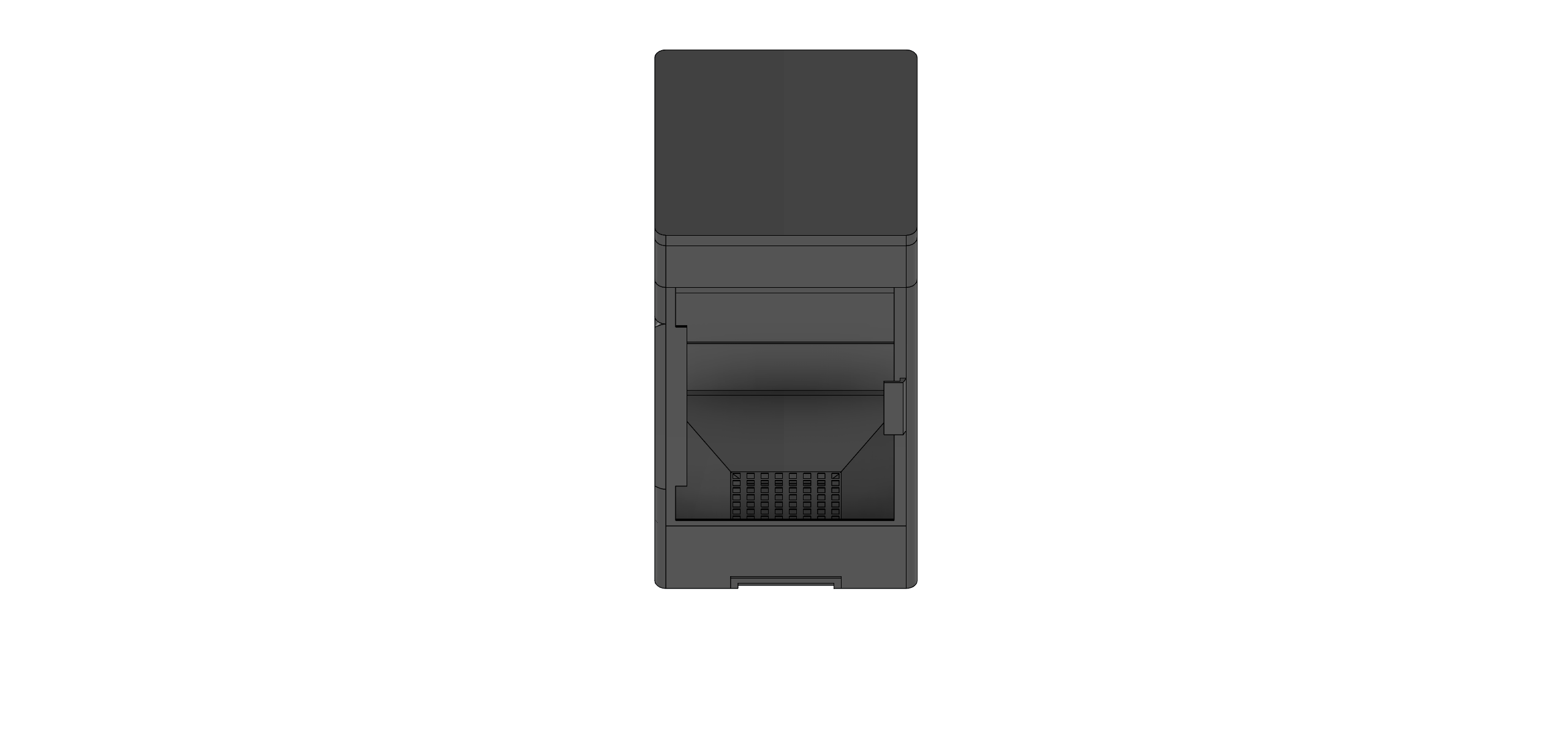
Jumping spider enclosure with top installed
The enclosure in its intact form, with the top assembly and access geometry in place.